

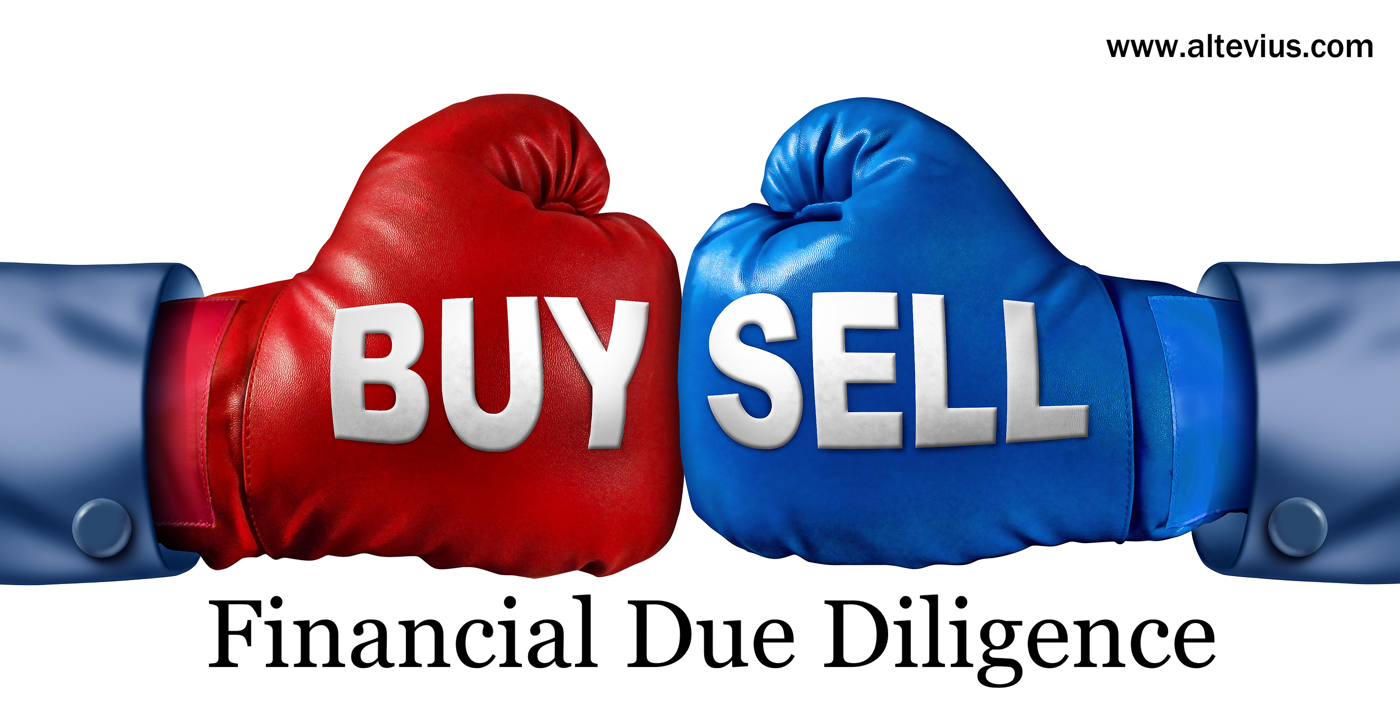
Every transaction tells two distinct stories depending on which side of the table you sit on. On the buy side, you are taking a leap of faith backed by capital, trying to verify if the growth numbers in a polished pitch deck match operational reality. On the sell side, you are defending years of sweat equity, striving to ensure a buyer does not chip away at your valuation during the final stages of closing.
Over my ten years in transaction advisory, I have sat in dozens of closing rooms where deals hung in the balance. The single biggest factor determining whether a transaction completes smoothly or breaks down completely comes down to execution: understanding buy side vs sell side due diligence.
Whether you are an institutional buyer looking to deploy growth capital or a founder preparing for a once-in-a-lifetime exit, understanding how both sides approach risk, valuation, and accounting reviews is essential. This master guide breaks down the mechanics, checklists, and strategic dynamics of both perspectives to help you navigate your next deal with complete confidence.
Overview: At a Glance
- Primary Difference: buy side vs sell side due diligence boils down to intent. Buy-side checks focus defensively on risk discovery, capital protection, and price reductions. Sell-side checks focus proactively on value defense, clean accounting, and deal speed.
- Buy-Side Focus: Buyers evaluate cash sustainability, calculate working capital requirements, run forensic Quality of Earnings reviews, and uncover hidden tax or legal liabilities.
- Sell-Side Focus: Sellers run pre-market accounting audits, build defensible EBITDA adjustment schedules, organize virtual data rooms, and fix operational bottlenecks before going to market.
- Strategic Value: Utilizing specialized transaction advisors like Altevius Partners helps bridge the information gap between acquirers and business owners, ensuring smoother negotiations and preventing last-minute deal collapses.
Understanding M&A Due Diligence: The Basics First
Before reviewing detailed financial schedules, let us establish what each side actually does during an M&A transaction.
What is Buy Side Due Diligence?
Asking what is buy side due diligence boils down to a fundamental concept: protecting your capital. It is the comprehensive forensic, operational, and legal investigation conducted by an acquiring firm or corporate investor before buying a business or taking a equity stake.
The primary goal of buy side m&a due diligence is simple. You want to verify every operational claim made by the seller, identify hidden balance sheet liabilities, confirm true historical earnings, and establish hard leverage for purchase price negotiations. Typically, corporate development leads, private equity associates, and third-party accounting teams direct these forensic reviews.
What is Sell Side Due Diligence?
Conversely, answering what is sell side due diligence requires looking at the transaction through an owner’s eyes. Sell Side Due Diligence is the proactive, internal accounting and operational review carried out by a company before bringing its asset to market.
Rather than waiting for a buyer’s accountants to pick apart their general ledger, smart business owners audit themselves first. The objective is to resolve accounting errors early, build a defensible earnings narrative, eliminate friction during exclusivity windows, and protect enterprise valuation. Founders, investment bankers, and specialized transaction advisory firms handle these pre-market preparations.
Core Due Diligence Differences in M&A
Understanding the fundamental due diligence differences in m&a comes down to three key operational pillars:
- Posture and Mindset: The buy side operates defensively to protect deployed capital, whereas the sell side acts offensively to defend its enterprise value and justify premium multiples.
- Timeline and Control: Buy-side reviews usually happen under high pressure during tight 30-to-60-day exclusivity periods. Sell-side preparation ideally begins six to twelve months before launching an active sale process.
- Post-Deal Focus: Acquirers focus on operational integration, synergy realization, and downside protection. Sellers focus on transaction certainty, closing speed, and minimizing post-deal escrow clawbacks.
Strategic Breakdown: Buy Side Financial Due Diligence
When executing buy side financial due diligence, an acquirer’s finance team must look past high-level revenue figures to analyze true, repeatable cash generation.
       ┌────────────────────────────────────────────────────────┐
       │         BUY SIDE FINANCIAL DUE DILIGENCE ENGINE        │
       ├────────────────────────────────────────────────────────┘
       │ 1. REVENUE INTEGRITY    ➔ Concentration risk & churn metrics
       │ 2. EARNINGS FORENSICS   ➔ Quality of Earnings (QoE) analysis
       │ 3. BALANCE SHEET RISK   ➔ Working capital pegs & unrecorded tax
       │ 4. VALUATION LEVERAGE   ➔ Translating red flags into price drops
       └────────────────────────────────────────────────────────┘
Key Focus Areas for Strategic and Financial Buyers
Buyers must verify top-line revenue trends by analyzing customer concentration metrics. If a target firm generates 40% of its cash flow from a single enterprise account, the buyer must price in that customer retention risk.
Furthermore, buyers evaluate historical working capital cycles to set an accurate working capital peg for the definitive purchase agreement. They also examine state and federal tax returns to identify unrecorded sales tax liabilities or aggressive deduction policies that could trigger future regulatory audits.
The Buy Side Quality of Earnings (QoE) Review
Understanding quality of earnings buy side vs sell side starts with recognizing the buyer’s goal: stripping away non-repeatable revenue. Buyers look closely at accrual accounting entries to ensure revenue matches real cash collections rather than aggressive book adjustments.
The buy-side QoE team isolates non-recurring income spikes, questions excessive founder expense add-backs, and tests customer cohort retention across different economic cycles. If a company grew revenue simply because it slashed R&D spending for six months, the buy-side audit will uncover it.
Risk Mitigation and Valuation Impact
The ultimate output of a buy-side financial review is negotiation leverage. Every major accounting discrepancy discovered during diligence directly impacts the final valuation.
If an acquirer finds $300,000 in unrecorded operational expenses, applying a 7x market multiple yields an immediate $2.1 million purchase price reduction. Additionally, these findings shape specific indemnity clauses and help structure indemnity escrow accounts to protect the buyer after closing.
Strategic Breakdown: Sell Side Financial Due Diligence
A seller who goes to market without analyzing their own numbers is leaving money on the table. Running sell side financial due diligence ensures you remain in complete control of your financial narrative.
Why Business Owners Must Audit Themselves First
When a buyer uncovers an accounting error during exclusivity, they rarely just ask for a small correction; they re-open price negotiations and request broad valuation discounts.
Conducting a self-audit prevents these awkward price renegotiations. It speeds up the transaction process, reduces operational strain on your internal management team, and creates a competitive environment where buyers must bid against clear, verified financial data.
The Sell Side Quality of Earnings Strategy
A sell-side QoE study builds an bulletproof case for your normalized EBITDA. It documents legitimate add-backs, such as non-operational personal expenses, one-off legal fees, and owner compensation adjustments that exceed market rates.
  Reported EBITDA ($2.0M)
  + Founder Discretionary Expenses ($150K)
  + One-Time Advisory Fees ($100K)
  + Normalized Market Salary Offset ($50K)
  ===========================================
  Defensible Normalized EBITDA = $2.3M
By proving your normalized earnings upfront using clear bank reconciliations and clean accrual schedules, you establish a solid baseline for your asking multiple.
Vendor Due Diligence vs Sell Side Due Diligence
It helps to clarify the distinction between vendor due diligence vs sell side due diligence:
- Vendor Due Diligence (VDD): A formal, third-party audit commissioned by the seller that produces an independent report shared directly with potential buyers. Winning buyers can legally rely on this report via formal reliance letters.
- Traditional Sell-Side Reviews: An internal advisory engagement designed solely for the seller’s eyes. It helps management fix operational issues, organize files, and polish financial figures before showing them to outside parties.
Head-to-Head Comparison: Buy Side vs Sell Side Financial Due Diligence
Comparing buy side vs sell side financial due diligence side-by-side highlights how their operational objectives differ across every stage of a deal.
| Comparison Factor | Buy Side Financial Diligence | Sell Side Financial Diligence |
| Primary Objective | Identify financial risks, verify cash quality, and reduce purchase price. | Clean up accounting data, justify valuation multiples, and speed up closing. |
| Main Deliverable | Red-flag memorandum and detailed purchase price adjustment model. | Comprehensive sell side due diligence report and organized data room. |
| Data Access Level | Direct forensic access to underlying accounting systems and ledger entries. | Curated financial presentations managed through secure data rooms. |
| QoE Focus | Eliminate questionable add-backs and challenge aggressive revenue models. | Defend legitimate EBITDA add-backs and prove cash sustainability. |
| Primary Client | Private Equity Funds, Search Funds, and Corporate Acquirers. | Company Founders, Selling Shareholders, and Private Equity Sellers. |
Step-by-Step Action Plan: Buy Side Due Diligence Checklist
When building a comprehensive buy side due diligence checklist, acquirers should organize their review across three distinct categories:
Financial and Tax Verification
- Secure 3 to 5 years of audited financial statements, federal and state tax filings, and detailed general ledger extracts.
- Analyze accounts receivable aging schedules to calculate realistic bad debt reserves and identify slow-paying accounts.
- Audit sales tax collection compliance across all operating jurisdictions to spot unrecorded tax exposures.
Operational and Legal Scrutiny
- Review all major customer and vendor contracts, paying close attention to change-of-control provisions and exclusivity clauses.
- Inspect trademark registrations, patent filings, and corporate software licenses to ensure full compliance.
- Audit employment agreements, key-person dependencies, historical bonus structures, and open litigation records.
Tech Stack, Security, and ESG Checks
- Evaluate IT infrastructure reliability, review cybersecurity audit logs, and test data privacy protocol compliance.
- Measure technical debt in custom software applications and calculate future capital requirements for IT upgrades.
- Review facility leases, environmental compliance records, and supply chain ethics policies.
Pre-Market Preparation: Sell Side Due Diligence Checklist
Sellers can use this actionable sell side due diligence checklist to prepare their business before launching a sale process:
Data Room Organization and Structure
- Structure virtual data room folders cleanly across Financial, Legal, Tax, HR, and Operational directories.
- Establish clear access permission levels, track buyer activity, and ensure signed NDAs are logged for every reviewer.
- Confirm all material contracts are fully executed, up to date, and stored with all attached exhibits.
Fixing Operational and Financial Red Flags Early
- Transition operational responsibilities away from the founder by empowering middle-management leads.
- Replace non-standard customer contracts with standardized service agreements.
- Resolve historical balance sheet errors, clear old intercompany loans, and clean up physical inventory counts.
Preparing the Sell Side Due Diligence Report
- Draft a clear executive summary highlighting core business drivers, customer lifetime value, and competitive advantages.
- Document transparent, step-by-step calculations for every normalized EBITDA adjustment.
- Prepare clear expansion models that map out actionable growth paths for incoming owners.
Real-World Deal Scenarios: Buy Side vs Sell Side Dynamics
To see how these concepts play out in practice, consider two real-world transaction examples.
Case Study 1: How a Sell-Side Review Saved a Founder Millions
A founder-led industrial equipment supplier was preparing for an acquisition by a private equity group. Before entering negotiations, the owner engaged an advisory team to run a formal sell-side financial audit.
Pre-Audit Review ➔ Discovered $400K Inventory Error ➔ Adjusted Ledger Pre-Market ➔ Closed at Full 8x Multiple
The review uncovered an ongoing inventory valuation error that overstated cost of goods sold, artificially dampening reported earnings. By correcting this inventory calculation before opening the data room, the sell-side team added $400,000 back to normalized EBITDA. At the final 8x valuation multiple, this single finding preserved $3.2 million in enterprise value for the founder at the closing table.
Case Study 2: How Buy-Side Scrutiny Prevented a Costly Acquisition
A corporate acquirer was evaluating a rapidly growing software-as-a-service (SaaS) target that claimed $12 million in Annual Recurring Revenue (ARR). The buyer commissioned a rigorous buy-side financial audit focused on contract terms and cash collections.
The forensic review revealed that the seller was booking non-refundable three-year contract values upfront as single-quarter revenue. Normalizing these bookings to match GAAP accrual standards reduced actual ARR to $8.5 million. Guided by these findings, the buyer restructured their offer from $60 million down to $42 million, avoiding a multi-million-dollar overpayment.
Modern M&A Trends Changing Due Diligence
Transaction workflows continue to evolve as new technologies and market shifts change how deals are evaluated.
🤖 AI Ledger Scans ➔ 📊 Lower Middle Market QoE Growth ➔ 📍 Specialized Localized Advisory
AI and Automated Forensic Accounting Tools
M&A transaction teams now use advanced forensic software to review general ledger entries in minutes. These tools automatically flag manual journal overrides, uncover duplicate payments, and scan thousands of lease agreements for restrictive change-of-control clauses in seconds.
Micro-Cap and Lower Middle Market Shifts
Sell-side Quality of Earnings reports are no longer reserved for large enterprise deals. Today, search funds, independent sponsors, and individual buyers expect companies doing $3 million to $15 million in revenue to present clear, independently verified financial statements before submitting serious letters of intent.
How to Choose the Right M&A Advisory Partner
Whether you are buying or selling, partnering with the right transaction advisors is essential for deal success.
       ┌────────────────────────────────────────────────────────┐
       │             SELECTING YOUR ADVISORY PARTNER            │
       ├────────────────────────────────────────────────────────┘
       │ 1. INDUSTRY EXPERTISE  ➔ Deep sector-specific knowledge
       │ 2. DEAL EXPERIENCE     ➔ Proven track record in working capital pegs
       │ 3. SENIOR ENGAGEMENT   ➔ Direct partner involvement in forensic work
       │ 4. COMPLETE CAPABILITY ➔ End-to-end QoE and data room execution
       └────────────────────────────────────────────────────────┘
When evaluating buy-side advisors, look for teams with deep experience negotiating working capital pegs, analyzing quality of earnings, and structuring purchase price adjustments.
When choosing sell-side advisors, look for firms like Altevius Partners that understand institutional buyer expectations, offer complete data room management, and know how to construct defensible EBITDA add-back models. Bringing in experienced advisors helps streamline the process, bridges information gaps, and ensures both sides enter negotiations with total confidence.
Final Verdict: Balancing Strategic Goals for Maximum Deal Value
Summary of Strategic Takeaways
- Due diligence drives deal structure: Thorough financial audits do not just verify numbers; they dictate working capital pegs, earnout terms, and final valuations.
- Buyers must remain disciplined: Running thorough buy-side checks prevents costly overpayments and protects against unrecorded balance sheet liabilities.
- Sellers must audit themselves early: Preparing clean sell-side reporting months in advance protects your valuation and speeds up closing timelines.
- Work with proven advisors: Engaging experienced M&A specialists ensures your transaction moves forward smoothly from initial LOI through final closing.
Ready to navigate your upcoming acquisition or prepare your company for a successful market exit? Whether you need buy-side risk analysis or sell-side financial preparation, our transaction advisory team is here to help you protect your deal value. Contact Altevius Partners today to speak with an M&A specialist.
The core difference lies in their primary objectives. Buy side vs sell side due diligence reflects opposing postures in a transaction: the buyer operates defensively to uncover operational risks, verify cash quality, and justify purchase price adjustments, while the seller acts offensively through structured Sell Side Due Diligence to fix accounting errors early, validate normalized EBITDA, and prevent price erosion during exclusivity.
Conducting a sell side financial due diligence review eliminates surprises that can derail a deal later. When buyers find accounting errors during exclusive negotiations, they often demand steep price drops. A seller-funded QoE report or formal vendor due diligence vs sell side due diligence review builds an bulletproof case for your normalized earnings, proves cash sustainability, and accelerates the transaction timeline so you retain negotiating leverage.
A rigorous buy side financial due diligence engagement looks beyond high-level profit metrics to test real cash conversion rates. Forensic accountants examine customer concentration risks, analyze working capital seasonality, and remove one-time revenue spikes. Uncovering non-recurring gains or hidden tax liabilities translates directly into purchase price reductions, adjusted working capital pegs, or specific escrow protections in the final agreement.
A complete sell side due diligence checklist must focus on cleaning up both financial records and daily operations. Key steps include organizing a secure virtual data room with fully executed contracts, auditing state and federal tax compliance, documenting clear add-back methodologies for discretionary expenses, and transferring key client relationships away from the founder to middle management.
Timing depends on which side of the transaction you are on. Buyers should engage an M&A advisor as soon as an LOI is signed to execute their buy side due diligence checklist within tight exclusivity windows. Sellers, however, should hire a transaction team 6 to 12 months before launching a process to conduct a comprehensive m&a due diligence buy side vs sell side assessment, fix balance sheet errors, and build an Investor Ready Financial Model.